By KIDDYOLOGY CRACKER ON MAY25,2021 to your cell phone,mobile app and tech get ready step by step
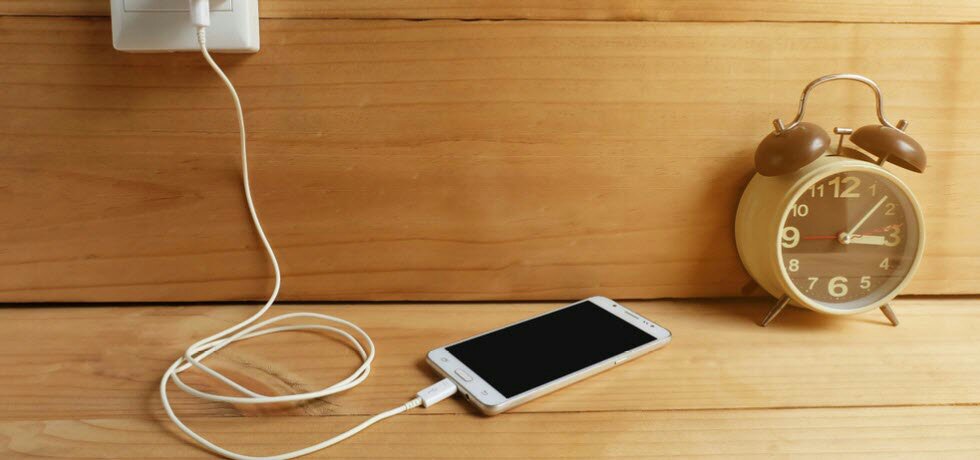
Charge in Seif way by kid-cracker
Techlicious editors independently review products. To help support our mission, we may earn affiliate commissions from links contained on this page.
If you find your Android battery is regularly emptied before you manage to Uber that evening ride home, don’t fret – it’s possible you can squeeze more life out of it by optimizing some phone settings. While some battery drain may be due to badly designed or adware-ridden apps that are constantly calling home, everyday phone activities are often the culprits – apps that frequently get online for updates, apps waking the phone screen, the high-definition phone screen itself which takes a lot of power to light up those pretty pixels…
Why batteries drain
“Batteries only have a certain lifespan, measured in charge cycles. This means they can be fully charged and discharged only so many times. “Once a phone battery’s charge cycles are spent, metrics such as talk time begin to degrade and the user begins to notice their phone isn’t lasting as long as it used to,” says Josh Galindo (Director of Training at uBreakiFix).
(This means that if you’re thinking of buying a refurbished phone, you should check with the seller that the battery was replaced, says Galindo. Otherwise, you may find its lifespan start to degrade more quickly than expected because it’s spent a certain number of charge cycles already.)
Another issue is that while other phone hardware such as screens and motherboards have developed quickly to be better and more powerful, battery technology has not seen a similar advancement, so even brand-new phones with larger charge capacities may not last any longer than their predecessors. “For people to see a significant improvement in the life of their smartphones, we’ll likely need to have a major breakthrough in what type of battery technology is in use,” says Galindo.
And, while we always recommend downloading software updates, older phones that have been upgraded to the very latest OS version may also experience battery drain as a result. “In theory, this shouldn’t occur, but often it does because the software is supporting newer functions that the hardware might not have been specifically designed for,” Galindo says. “At some point, software always outpaces the device itself and very often adds additional strain.”
Happily, newer iterations of the Android OS have introduced battery saver features that economize how various apps use up juice and should help you eke a little more use of your phone for now.
What’s new for Android batteries
The latest version, Android Q introduces Dark Theme. This is a system-wide dark mode that helps save battery life. This is especially helpful for phones that use OLED displays, like the Samsung Galaxy S10 and the LG G8, since black pixels are essentially pixels that have been turned off.
Android 9 Pie has an Adaptive Battery mode that learns your daily routine so that only apps that your regularly use will run in the background. And Background Restrictions in Android Pie let you limit access to apps’ ability to run when you’re not using them. There’s also a new auto brightness mode that detects ambient light and adjusts your display accordingly.
Android 8.1 Oreo, introduced automatic ‘wise limits’ that curtail how much background apps get to use battery power for processes, as well as prevent non-essential apps from requesting your location (GPS being one of the biggest battery drains, as anyone who has ever used their phone for navigation will be familiar with). There’s also a beefed-up settings menu that newly shows how much battery apps used up versus how much they’re in use, and how long your screen (that battery hog) has been on, as well as the approximate time left based on current usage.
Almost a third of Android users are using Android 8 Oreo, about 20% use Android 7 Nougat, about 17% use Android 6 Marshmallow, and 15% are using Android 5 Lollipop. Android Q is still in beta and due to roll out starting in the fall. While most Android phones released in the last couple years should receive an update to Q in the coming months, if you’re one of the many on an older version of Android, there’s still plenty you can do to increase battery life – without changing how you use your phone (too much).
How to improve your Android phone battery life
(Note: This information covers Android 5 phones and newer, so names of folders may slightly vary – for example, “Battery” settings may be “Power” settings on some phones.)
- Check which apps are draining your battery
In most versions of Android, hit Settings > Device > Battery or Settings > Power > Battery Use to see a list of all apps and how much battery power they’re using. (In Android 9, it’s Settings > Battery > More > Battery Usage.) If an app you don’t use often seems to take up a disproportionate amount of power, consider uninstalling it.
In Android 9, you can see how power-hungry apps as using battery by tapping it. For some apps, you’ll be able to turn on “Background restriction.” For all apps, keep “Battery optimization” on.
- Uninstall apps
Delete apps you don’t use from a single menu by heading to Settings > Apps > All. Tap on each app and hit Uninstall to remove it as well as any data it has created.
Or, buy premium version of your favorite apps. Apps with ads can eat up extra battery thanks to running ads (or if their ads are badly designed thereby hogging the juice), so if you find a favorite is using a lot of power, going for its premium ad-free version could help.
- Never manually close apps
Despite the popularity of task-killer apps for Android, manually closing running apps doesn’t help battery life, a myth recently debunked by both Apple and Google. In fact, closing an app can even very slightly damage battery life according to Android’s SVP of Android, Chrome and Chrome OS, if the phone system requires it to run again (or when you open it again). - Remove unnecessary widgets from the home screen
Many Android apps, including social networks, weather apps and news apps, come with widgets that sit handily on the home screen for real-time updates. However, widgets are battery drainers due to their constant syncing with the mothership or power-sucking animations. If you don’t need a permanent window into Twitter, or regular updates on the weather, remove the superfluous widget by pressing and holding it, then dragging it to the trash can icon. - Turn on Airplane Mode in low-signal areas
Smartphones use more power when trying to connect in low-signal areas. If you can’t get a signal, turn on Airplane Mode by swiping down and tapping the Settings wheel. If your low-signal area is, say, an office or someone’s home, you can turn on Wi-Fi (with Airplane Mode enabled) instead to stay connected. Then restart your cellular connection when you’re in an area with better coverage.
On the flip side, disabling Wi-Fi may not always save battery life. Your phone uses less energy to connect to wireless than cellular networks, while Wi-Fi also helps phones determine location – handy for paring back the need for power-hungry GPS.
- Go Airplane Mode at bedtime
If you’re caught charger-less overnight, killing all connectivity – Bluetooth, cellular, Wi-Fi, GPS – will help your battery last till morning. Plus, it helps avoid that insomnia-causing blue light. - Turn off notifications
Getting real-time updates of what’s going on in your apps is handy for things like email or social networks, but many apps automatically demand permission to send notifications as well for reasons that are much less useful. Turn off notifications by heading to Settings > Apps, then visiting less necessary apps and unchecking “Show notifications.”
Android 7.0 makes it very easy to fine-tune further: Head to Settings > Device > Notifications to manually adjust notification levels for each app – you can choose to never show notifications or its battery-friendly compromise: show silently without waking the screen, vibrating, or pinging.
On Android 8, there are even more granular options. Head to Settings > Apps & Notifications, then click on particular apps. You’ll be able to control what type of events the apps can send push notifications for (for example, on WhatsApp, the failure of a message to send), as well as how they can send these alerts (silently, vibrating, or with sound).
- Don’t let apps wake your screen
On the other hand, if notifications are necessary, prevent apps from waking the screen when they do send them through. Head to Settings > Display and select to turn off Ambient Display (which means no app notifications will cause the screen to wake). In Android 8 and higher, you can choose to leave Ambient Display ‘on’ but toggle off the sub-permission for notifications to wake the screen, so that you can still double-tap the screen or lift the phone to check for alerts. - Turn off GPS when not in use
GPS is one of the heaviest drains on the battery – as you’ve probably noticed after using Google Maps to navigate your last road trip. When you’re not actively using navigation, swipe down to access Quick Settings, and toggle it off. You’ll be prompted to re-enable it when you use Maps.
Alternately, if you’re using apps that require your location, you can head to Settings > Location > Mode (Settings > Security & Location > Location > and select “Battery saving” (where Wi-Fi and mobile networks are used to determine your location) over “High accuracy” (where GPS is also used).
- Check app location tracking
Some apps track your location and therefore use more battery power than strictly necessary by accessing your GPS. At Settings > Location you can see which apps recently requested your location, as well as how much (low/high) battery it took. In theory, Android 8 and higher should be paring back how much these apps are using the phone’s location services – but for apps that seem to be demanding more than necessary, head into the apps and manually adjust the permissions individually. - Enable Battery Saver Mode
For Android 5.0 and newer, this feature helps maximize battery life as well as stretch out those last several minutes. For example, animations are pared back, most background syncing is halted and location services turned off (so no navigation on Google Maps). You enable it manually in Settings > Power, where you can also fine-tune specifics such as whether or not to conserve CPU power, screen brightness or vibration feedback and choose whether or not to turn off data connection when the phone is asleep.
On Android 7 and higher, you can additionally set Battery Saver Mode to kick in automatically at 5% or 15% battery left. Starting with Android
Some phones, such as Samsung Galaxy phones, also have an “extreme power-saving mode” in which data connections turn off when the screen is off, notifications, GPS, Auto Sync and Bluetooth are off, and only essential apps such as text messaging, email and the clock are allowed to run.
- Dim the screen – intelligently
If you’re using Android 5.0 or newer, head to Settings > Display and enable “automatic brightness” (or “adaptive brightness” in Android 7 and higher), which allows the phone to adapt the display based on the lighting where you are, ensuring the screen is never brighter than necessary.
But if your battery is in dire straits, manually dimming the screen is a good temporary fix until you can get to a charger. Pull down the notifications menu and drag the brightness slider to the very dimmest display level you’re comfortable with.
- Turn on Dark mode
Some Android apps have a dark mode, where the screen uses a black background instead of light colored one. Using the dark mode can help save battery life, especially for for phones that use OLED displays, like the Samsung Galaxy S10 and the LG G8, since black pixels are essentially pixels that have been turned off.
The latest version, Android Q introduces Dark Theme. This is a system-wide dark mode that helps save battery life.
- Tone down those live wallpapers
You can kit out your home screen and lock screen with some nifty animated wallpapers that change in ombre or style as the day wears on – but this doesn’t come for free. Save on battery by heading to Settings > Display > Wallpaper to select a static counterpart instead. - Decrease screen timeout
You can save a little bit of battery power many times over by decreasing the length of time your phone remains idle before its display automatically goes dark. Head to Settings > Display to adjust Screen timeout to, say, 10 seconds rather than an interval like 30 minutes (which you may have chosen if you were doing something like using the phone for a recipe). - Stop vibrating
If your phone is ringing, you don’t need it to vibrate as well. Head to Settings > Sound and uncheck “Vibrate for calls”. To really get into battery miser mode, turn off haptic feedback, the handy little vibe when you press virtual keys, also uncheck “Touch vibration” (find this on some phones by going to Settings > Language and keyboard and unchecking “Vibration feedback”). - Keep weather updates local
Who doesn’t love the weather widget that tells the time and the temperature in one handy, live-updating home screen box? If you’ve loaded yours up with cities where you’ve been vacationing, that widget could be contributing to heavy battery drain. Remove superfluous cities from your weather app by heading to Settings. - Keep your phone cool
Like Goldilocks’ pilfered porridge, phone batteries should be neither too hot nor too cold. An ideal temperature range for smartphone batteries is around 68°F to 86°F. If a phone is customarily left in temperatures outside this range, especially on the hotter side, it can eventually damage the battery, notes Galindo.
According to the Battery University blog by Cadex Electronics, phone batteries degrade much faster when they’re hot, whether you’re using the phone or it’s idle. Avoid leaving your phone on the dashboard of your car on a sunny day.
- Charge between 40% and 80%
The best way to maintain smartphone batteries is to keep your phone battery more than 40% charged. Constantly allowing the battery to go from completely full to completely empty can damage it and decrease its capacity over time. On the flip side, leaving your phone plugged in when it’s completely full can also degrade the battery. Best practice? Keep your battery between 40% and 80% charged. - Get a certified or original charger – especially for fast-charging
Newer Android phones can take advantage of ‘fast charging’ tech which tops up batteries at around twice the speed – but if you’re not using a cable and charge head from the original manufacturer or a certified third-party, it could be contributing to battery drain, and in some cases, degrading the function of your phone.
“One thing that’s often overlooked is the use of low-quality chargers from third-party manufacturers,” says Galindo. “Especially with wireless and fast charging technology, it’s more complicated to ensure that cables work with batteries as they were designed.”
- Let your phone battery die once a month
If you never let your phone go to zero, fret not – it’s not doing your phone any harm. Previous warnings about the need to fully discharge batteries are more relevant to older types of batteries, not the lithium-ion batteries used by smartphones. However, allowing the phone to discharge fully to zero, then allowing it a full, uninterrupted charge may help with the calibration of the OS with the battery itself.
“The recommendation is once a month, as this can help the OS ‘remember’ what 100% or 10% of power left means,” says Galindo. “However, if you don’t do it, you won’t damage the battery.”
A sign that your battery could do with some discharge/recharge time is if the battery says it’s extremely low – say, 2% – but ends up lasting for ages, which may indicate the phone software is out of sync with the battery operation.
- Restart your phone
That’s the official advice from Google support, as it can flush out any battery-hogging processes running in the background. - Try a factory reset
If these tips don’t sort out your battery drain, you can try returning your phone to factory settings. This can help if the issue is that the OS or some downloaded data is corrupted, says Galindo. Back up your phone– or at least make sure your photos are backing up– then head to Settings > System > Reset options. - Always download updates
Whether updates are intended for downloaded apps or the Android OS itself, they generally include bug fixes and tweaks that improve performance, including how efficiently battery is used.




 Soft bloggers & worldwide services